
Alternatives to Game Server Backend
Explore the best alternatives and competitors to Game Server Backend.
Explore 20 alternatives to Game Server Backend. Compare features, pricing, and find the best fit for your needs.

Ecommerce Data API
Amazon product, keyword and market data via REST API and MCP for developers and AI agents.
SightRadar
Face recognition API, a drop-in replacement for AWS Rekognition. Index, search, compare and detect faces, billed per photo with no subscription.

Enlisted
Search 20,000+ open-source and SaaS tools by the job you need done or the app you want to replace.

Luminus Tools
A fast, privacy-first suite of online calculators, financial desks, health trackers, and developer utilities running completely in your browser withou

Sprite Sheet Maker
A free browser-based toolkit for creating, cutting, converting, and previewing sprite sheet animations.
Forms Plugin
The #1 Native Form Builder Plugin for Framer - No Code, No Embeds, No External Platforms.


AkraLabs
Where modern software products get discovered, launched, and distributed. Explore verified AI tools, SaaS startups, and developer software.

SubmitMap
A directory of launch platforms: who each accepts, what disqualifies you, and how to submit. Free to read, and your agent can do the submitting.

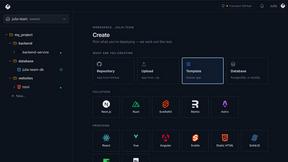
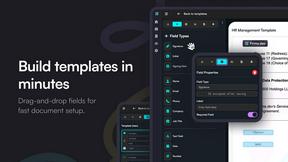
Firma.dev
Pay-as-you-go e-signature API and no-code sending. €0.049 per envelope, no monthly minimums, legally valid in 55+ countries.
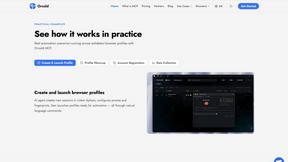
Ornold
Ornold MCP lets AI agents control Chromium and antidetect browsers: click, type, read screens, record workflows, replay profiles without scripts.

ClipUtils
Free browser video & image tools: trim, compress, convert, resize & remove backgrounds. 100% on-device — your files never leave your browser.
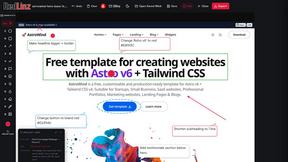
RedLinz
RedLinz turns screenshots into AI prompts by letting you circle and annotate exactly what you want an LLM to change.

AIQualityHQ
AIQualityHQ instantly scores and fixes your AI prompts so you stop wasting time on trash outputs and security risks.

About Game Server Backend Alternatives
So you’re building a multiplayer game, and you’ve heard about Game Server Backend (GSB)—the all-in-one backend that wraps auth, leaderboards, player data, and server hosting into one clean API. It’s basically the cheat code for indie studios and solo devs who don’t want to spend six months stitching together separate services for matchmaking, persistence, and live-ops configs. But maybe you’re shopping around because your project has some niche needs, your budget is tighter than a speedrun record, or you just want to see what else is out there before committing to a single ecosystem. That’s totally fair—no one wants to get locked into a platform that doesn’t vibe with their stack or their wallet. When you’re hunting for an alternative, keep your eyes on the core pain points: how easy is it to plug into your engine (Unity, Unreal, Godot, or a custom server), does it handle auth the way you need (anonymous, email, Steam, etc.), and can it scale from prototype to full launch without forcing you to rewrite everything? Look for something that gives you a free tier to mess around with, supports both global and regional leaderboards, and lets you push live-ops updates without a client patch. Also, check if it plays nice with Roblox or custom servers if that’s your jam. The right pick should feel like a cheat code, not a homework assignment.
FAQs about Game Server Backend Alternatives
What is Game Server Backend?
Game Server Backend (GSB) is a hosted backend platform purpose-built for multiplayer game developers. It bundles player authentication, persistent data storage, leaderboards, matchmaking, server hosting, and live-ops configuration into a single, unified API. This means studios and indie devs can ship their game without having to stitch together separate vendors for each backend service.
Who is Game Server Backend for?
GSB is designed for studios and indie developers creating multiplayer games, whether they're working in Unity, Unreal Engine, Godot, Roblox, or with custom game servers. It's ideal for teams that want to skip the overhead of building backend infrastructure from scratch and need a drop-in solution that covers auth, rankings, player profiles, and server discovery out of the box.
Is Game Server Backend free?
Yes, GSB offers a free forever Dev plan that requires no credit card to sign up. This makes it accessible to teams of all sizes, from solo devs prototyping their first multiplayer title to small studios testing the waters. The free tier includes core features like player auth, persistent JSON state, and leaderboards, so you can go from idea to live production without upfront costs.
What are the main features of Game Server Backend?
GSB covers matchmaking, global and regional leaderboards, player profiles, persistent JSON state per user, a server registry for community-server discovery, in-game economy primitives, and a live-ops configuration layer for pushing gameplay tuning updates without a client patch. It supports three authentication paths: anonymous accounts, passwordless email sign-in, and Steam OpenID. Drop-in SDKs are available for Unity, Unreal Engine, and Godot.