
Dubvid vs Video Database
Side-by-side comparison to help you choose the right AI tool.

Dubvid
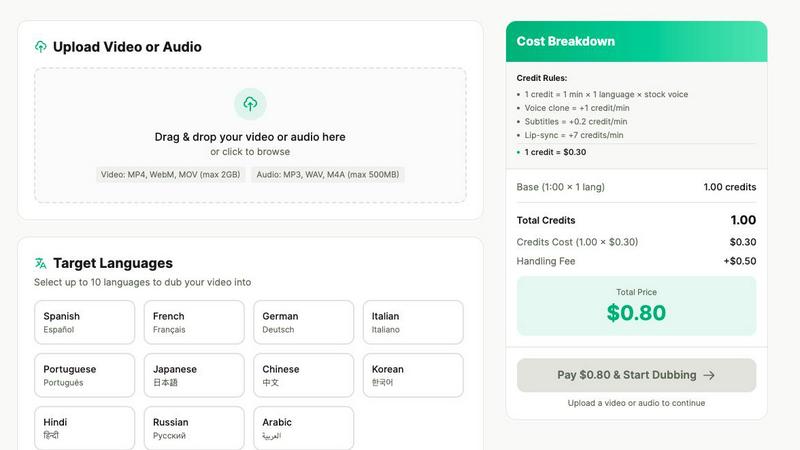
Dubvid dubs your videos into any language with natural voices and lip-sync, no cap.
Last updated: February 27, 2026

Video Database
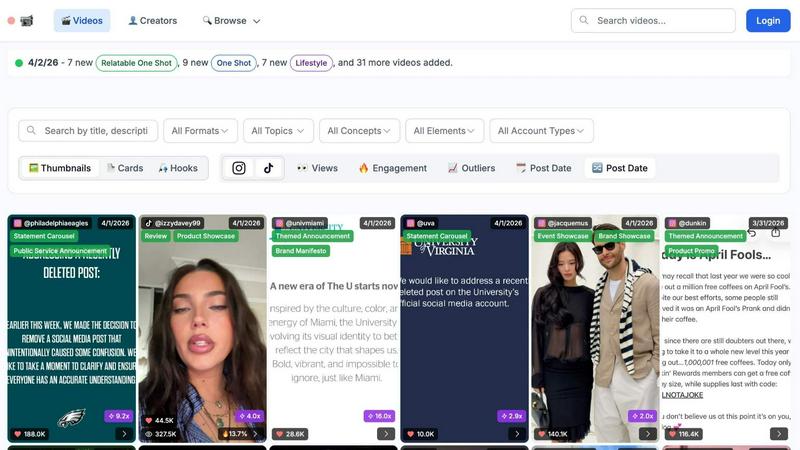
Monitors and organizes high-value creator videos.
Visual Comparison
Dubvid
Video Database
Overview
About Dubvid
Yo, content creators! Ever felt like your fire videos are stuck in one language, missing out on billions of potential fans? That's a major vibe killer. Dubvid is here to smash that language barrier into oblivion. Think of it as your AI-powered hype squad for global domination. This platform is the ultimate cheat code for dubbing your videos and audio into over 10 languages, and it does it in minutes, not weeks. No more dealing with expensive studios, hunting for voice actors, or getting lost in complicated editing software. You just upload your original clip—whether it's a YouTube banger, a TikTok trend, or a crucial business tutorial—pick your target languages, and let Dubvid's AI work its magic. It translates and recreates the voice, keeping all the natural emotion, tone, and pacing so it doesn't sound like a soulless robot. It's built for everyone: the solo YouTuber trying to blow up, the educator spreading knowledge worldwide, or the marketing team that needs to localize ads yesterday. With features like optional lip-sync to make it look legit and the ability to clone your own voice? Game over. Dubvid hands you the keys to a global audience, making your content accessible everywhere.
About Video Database
The Video Database began as an internal solution to a common frustration: as creators and content strategists we need to "study the best," but this typically means endless scrolling through social platforms riding the algo waves - good or bad. Nobody needs more of that.
Cut30, our short-form video bootcamp, maintains hundreds of hand-curated reference videos throughout its curriculum—valuable examples embedded within tutorials, exercises, and lessons. However, these references were scattered across the platform without centralized organization or analysis. What started as simply organizing and categorizing those videos, was a slippery slope.