
evenus vs OpenMark AI
Side-by-side comparison to help you choose the right AI tool.

AI reveals relationship loads for true fairness.

Stop guessing which AI model slaps for your task, just describe it and we'll benchmark 100+ models for you in minutes, no API keys needed.
Last updated: March 26, 2026
Visual Comparison
evenus
OpenMark AI
Overview
About evenus
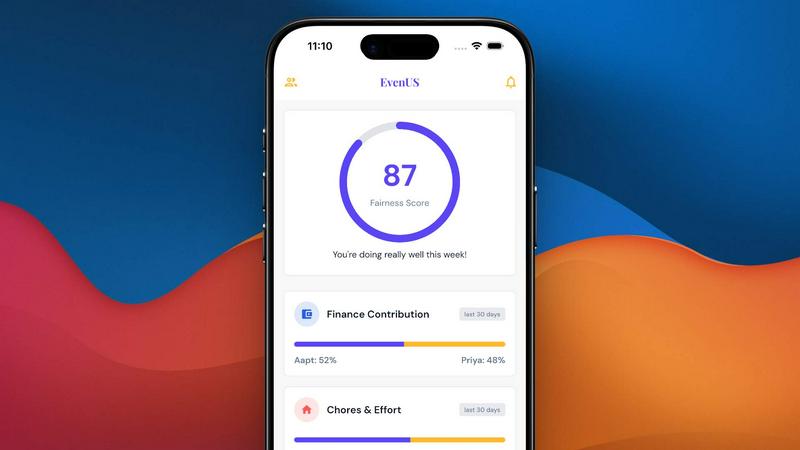
EvenUS is a fairness engine for couples that combines finances, chores, and the invisible mental load into one unified dashboard. It provides AI-powered insights, a live Household Harmony Score, income-aware expense splits, effort scoring, gentle reminders, and actionable tips to rebalance without blame or arguments.
Unlike traditional spreadsheets or basic chore apps, EvenUS treats money, tasks, and cognitive labor as an interconnected system, helping couples (married or not) reduce resentment, save time, and strengthen their relationship. Features include real-time syncing between partners, mental load tracking, fairness reports with Effort Balance and Financial Balance scores, Zone Ownership, automated reminders, and seamless integrations (calendars, banks, grocery apps).
Launching soon on iOS & Android with a generous free tier.
About OpenMark AI
Alright, let's cut through the AI hype. You're building something cool, you need a brainy LLM to power it, and you're staring down a list of 100+ models like it's a Netflix menu with nothing good. Which one actually works for your thing? Which won't cost an arm and a leg? And will it flake out on you after one good response? That's the chaos OpenMark AI fixes. It's your personal AI model testing arena. You just describe your task in plain English (or any language, really), hit go, and it runs that exact prompt against a ton of different models—GPTs, Claude, Gemini, open-source stuff, you name it—all at once. No juggling a million API keys, no coding a bespoke testing suite. You get back a side-by-side breakdown of who's the real MVP, based on actual cost per API call, speed, scored quality, and—this is the kicker—consistency across multiple runs. So you see if a model is reliably smart or just got lucky once. It's built for devs and product teams who are done guessing and need hard data before they ship. Think of it as due diligence for your AI feature, so you don't end up picking the flashy model that totally bombs on your specific use case.