
Fluidium vs Wan2.7-Image
Side-by-side comparison to help you choose the right AI tool.

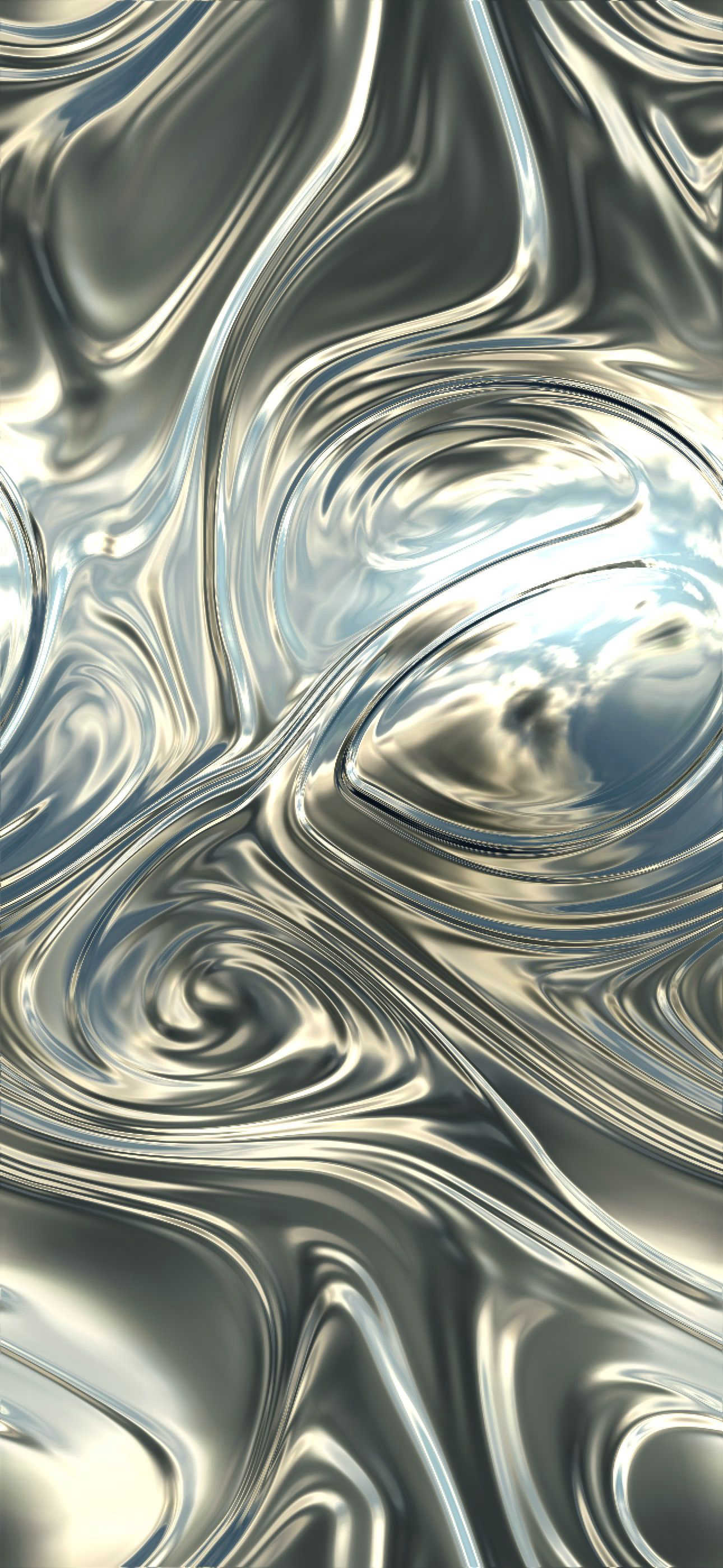
Unleash your inner artist and vibe out with mesmerizing, touchable fluid art.

Wan2.7-Image
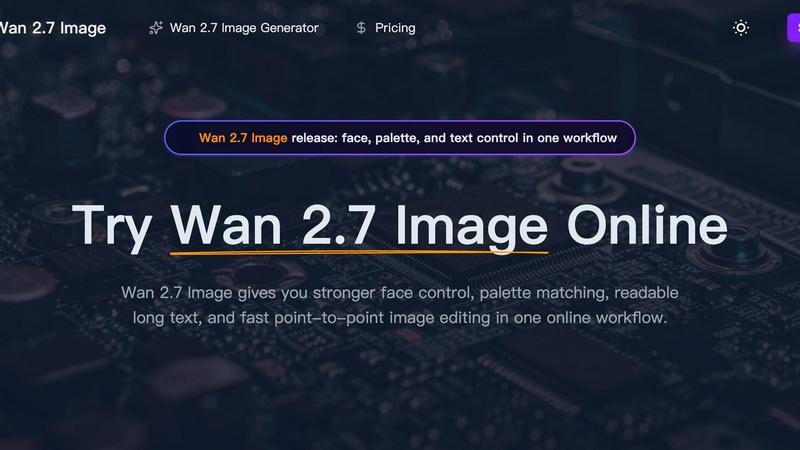
Wan 2.7 Image offers robust control for professional design, e-commerce, and brand applications.
Visual Comparison
Fluidium
Wan2.7-Image
Overview
About Fluidium
Alright, let's break it down. Fluidium is basically your phone's screen turning into a next-level, touch-reactive lava lamp from the future. Made by the same genius who brought you Uzu (yeah, that epic particle visualizer), this app is all about creating stunning, flowing liquid art with just your fingers. Think of it as digital finger painting, but instead of boring old paint, you're swirling and mixing magical, physics-based fluids that react in real-time. It's built with Apple's Metal tech, so it's stupidly smooth and looks insane even on older devices. Whether you're an artist looking for a wild new canvas, a streamer wanting a killer visual backdrop, someone who just needs to zen out, or you simply want to flex some trippy visuals on your friends, Fluidium's got you covered. Its main vibe? Transforming your passive screen into an active, living piece of art that you control. No two swipes are ever the same.
About Wan2.7-Image
Wan 2.7 Image isn't just about visually appealing samples; it's a powerful tool built for reliable control. It provides designers, e-commerce professionals, and brand managers with the precise tools they need to maintain consistent aesthetics and brand identity across all projects. Unlike generic stock images, Wan 2.7 Image focuses on delivering the flexibility and power to dictate the visual direction, fostering efficient workflows and reducing costly revisions.
Designed for a variety of applications, Wan 2.7 Image excels in design projects where meticulous control over composition, color, and detail is paramount. For e-commerce, it enables the creation of high-quality product visuals that translate effectively across different devices and platforms, enhancing customer engagement and driving sales. Brand applications benefit from the ability to consistently apply visual elements, ensuring a unified and recognizable brand presence. Furthermore, it's a valuable asset for editorial work, allowing for precise manipulation and integration of images within articles and publications.