
Job Boardly vs Miget
Side-by-side comparison to help you choose the right AI tool.

Job Boardly
Launch your own niche job board in minutes with no code and start making bank.
Last updated: March 1, 2026

Miget
Deploy unlimited services on one flat-rate plan.
Visual Comparison
Job Boardly
Miget
Overview
About Job Boardly
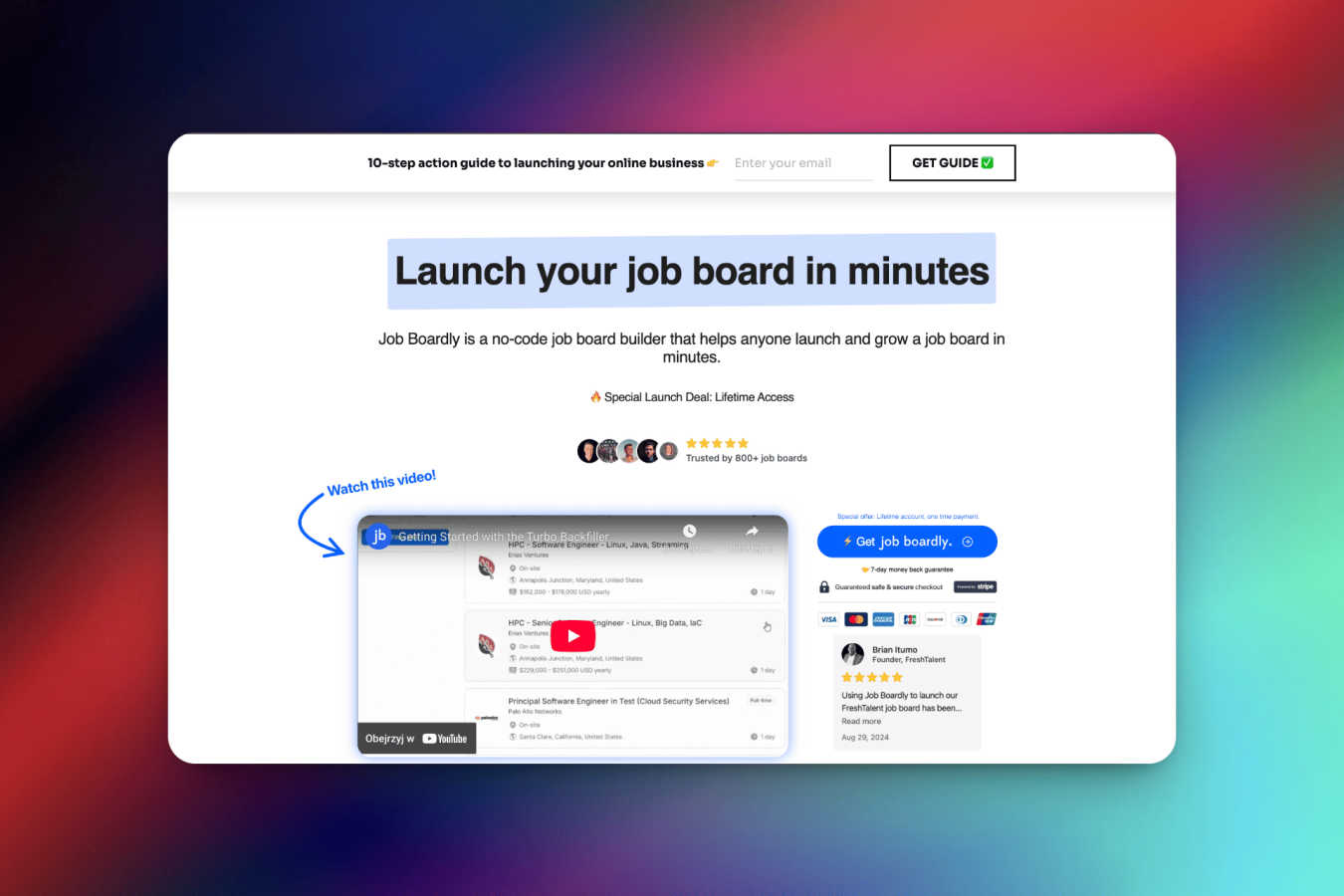
Alright, let's cut through the noise. Job Boardly is the ultimate side-hustle-in-a-box for anyone who's ever thought, "Man, I should start a job board." It's your one-stop, no-code solution to launch a fully functional, slick-looking job board in literally minutes. No more wrestling with clunky, expensive software or hiring a dev team that costs more than your car. This platform is built for the dreamers and doers: recruiters, niche community leaders, bloggers, entrepreneurs, or just someone with a killer idea for connecting people with gigs. The core vibe? Ditch the complexity and massive price tag. Job Boardly hands you the keys to a platform where you can focus on what actually matters: building your audience and making those perfect job-seeker-to-role connections. With built-in tools to automatically fill your board with listings and smart ways to make money from day one, it turns your "what if" into a "heck yes." Think of it as the Shopify for job boards - but way more chill and without the learning curve.
About Miget
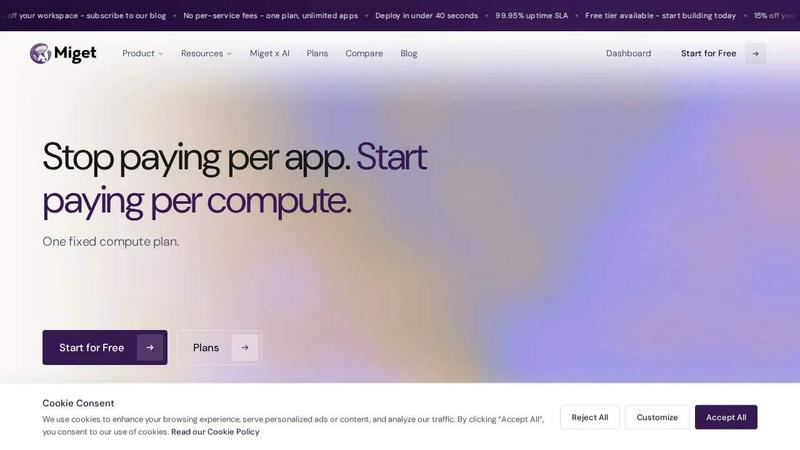
Miget – Stop paying per app. Start paying per compute.
Traditional PaaS platforms charge you for every app, database, and worker separately. Miget flips that model: pick a fixed compute plan, then deploy as many services as you want inside it.
- Unlimited apps, databases, and background workers per plan
- No per-service billing surprises
- Built on Kubernetes with full isolation between tenants
- Deploy from Git, GitHub, Registry with zero-config builds
- Managed PostgreSQL, Redis, and more
- Custom domains with automatic TLS
Whether you're running a single side project or a full production stack, you only pay for the compute you reserve—not the number of things you run on it.