
Nabbed vs RocketShare
Side-by-side comparison to help you choose the right AI tool.

Track jobs & contacts. Get AI intel. Autofill ATS.

RocketShare
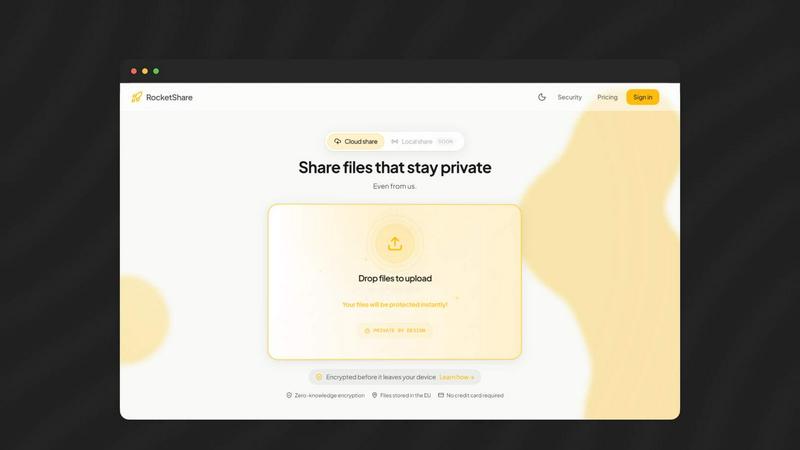
RocketShare lets you share files with top-notch encryption, keeping them private and secure, even from us.
Last updated: March 4, 2026
Visual Comparison
Nabbed
RocketShare
Overview
About Nabbed
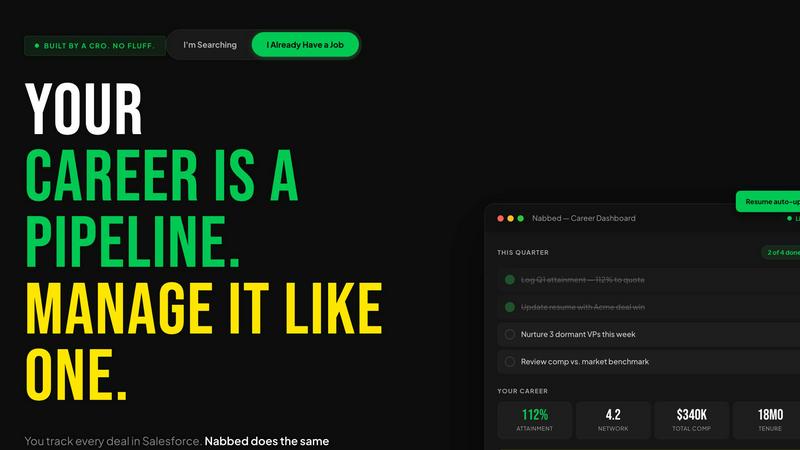
Nabbed is the first CRM built specifically for sales and revenue professionals managing their career. Track job applications in a visual pipeline, build a contact CRM with warm path mapping, get AI-powered company intelligence (funding, headcount, Glassdoor ratings), and autofill applications on 60+ ATS platforms with our Chrome extension. Features include Gmail auto-sync that detects interviews and rejections, hiring signal alerts when target companies are growing, interview prep with AI coaching, salary benchmarking with offer analysis, and a Job Fit Score that matches your profile to listings. Search 11 job sources at once including Google Jobs, Indeed, LinkedIn, and Glassdoor. Free tier available, Core at $19/mo.
About RocketShare
RocketShare is your go-to secure file-sharing platform that throws privacy concerns out the window. Designed with one simple rule in mind: your privacy is non-negotiable, RocketShare lets you send files of any size without stressing over who might be peeking. Whether you're a freelancer, a big shot lawyer, or just someone with sensitive stuff to share, RocketShare’s got your back. Thanks to its zero-knowledge encryption model, your files are locked down tighter than a drum before they even hit the internet. Only you hold the key, often in the share link itself, so even RocketShare can't snoop on your secrets. With a user-friendly vibe and enterprise-grade security, it’s perfect for anyone needing to share confidential info without the fuss. Plus, you can choose to share via cloud or a local peer-to-peer setup, all while knowing your data is safely stored in the EU. RocketShare is basically the superhero of file-sharing, ensuring your intellectual property and private data stay just that—private.