
Alternatives to Self-Healing Integrations
Explore the best alternatives and competitors to Self-Healing Integrations.
Explore 20 alternatives to Self-Healing Integrations. Compare features, pricing, and find the best fit for your needs.
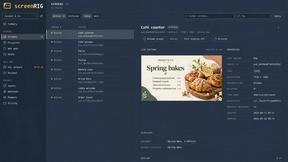
screenRIG
Signage and kiosk infrastructure for AI agents. Your agent publishes images, video, streams, web pages and apps to screens via one plugin.screenRIG is

AUTOMATER.ai
A tray helper for every AI coding tool: one searchable library of past sessions, waiting alerts and usage across 9 providers.
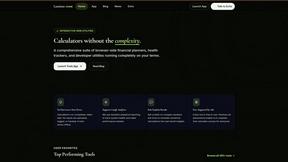
Luminus Tools
A fast, privacy-first suite of online calculators, financial desks, health trackers, and developer utilities running completely in your browser withou

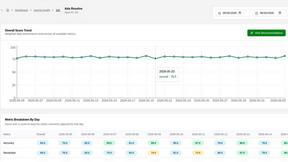


Speechyou
AI transcription for voice notes, meetings, and audio files in 1,700 languages, with AI summaries and subtitle export and unlimited chat ai usage.
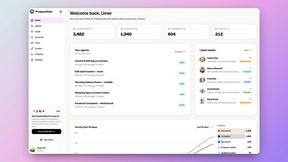
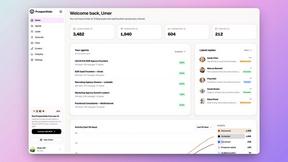
ProspectHalo
AI sales agent that finds qualified leads, runs outreach, follows up automatically, creates content, and helps book more meetings.

benchmark.directory
An AI tools directory that turns down money. 146 listings, 20 categories, no sponsored placement and no affiliate ordering.

connect machine
ConnectMachine is a privacy-first, AI-powered contact management platform designed to solve the critical flaw of modern professional networking
saasgrow.ai
saasgrow.ai gives you a permanent listing page, a dofollow link, and visibility in a directory buyers browse by category.

Tools Network
Tools Network is a curated directory of the best AI tools across 25+ categories. Compare ratings, pricing, and features to find the right one, fast.


Built2WinWeb AI Strength Scanner
Custom PHP websites, AI Indexing Pack ($599 one‑time), and WebAgentScan SaaS ($9/mo). MCP, A2A, llms.txt, full ownership.


Skydive
Skydive lets teams create AI agents that can complete real work inside the tools they already use.



About Self-Healing Integrations Alternatives
Alright, so you’ve been vibing with the whole "set it and forget it" energy of Self-Healing Integrations, which is basically an AI-powered agentic platform that doesn’t just link up your apps but actually babysits them so they don’t crash out. It lives in the AI Assistants category, but it’s really about ditching the headache of custom code that breaks every time a SaaS updates its API. People start looking for alternatives for a few reasons: maybe the pricing feels a little spicy for their startup budget, or they need a feature set that’s more specific to their niche (like heavy ETL or legacy system support), or they just want something with a different flavor of UI. Whatever the reason, the hunt is real. When you’re shopping for a replacement, don’t just look at the price tag. You want to check if the platform actually handles the messy part—like ongoing maintenance and monitoring after go-live—because that’s the whole point of skipping the "integration tax." Look for something that offers AI-driven error handling, real-time alerts when a connection glitches, and the ability to adapt to schema changes without you having to rewrite code. Also, peep the documentation and community vibes; if you’re stuck at 2 AM trying to fix a webhook, you want a solid knowledge base or a support team that doesn’t ghost you. Keep it evergreen: the best alternative is one that matches your specific workflow chaos without making you pay for features you’ll never touch.
FAQs about Self-Healing Integrations Alternatives
What is Self-Healing Integrations?
Self-Healing Integrations is an AI-managed lifecycle platform that builds and keeps custom integrations running after go-live. Unlike traditional tools that only create connections, it uses agentic AI to monitor, maintain, and automatically fix integrations when changes or errors occur. It belongs to the AI Assistants category and is designed to eliminate the ongoing maintenance tax that slows down new channels, systems, or partners.
Who is Self-Healing Integrations for?
It is built for companies that rely on custom integrations requiring constant updates, monitoring, and maintenance after deployment. This includes teams launching new sales channels, onboarding partners, or connecting legacy systems that need ongoing tweaks. It's ideal for organizations tired of paying high costs and delays every time an external API or internal system changes.
Is Self-Healing Integrations free?
Pricing details for Self-Healing Integrations are typically based on the scope of integrations and the level of AI-managed lifecycle support required. While it may offer a trial or demo to test the platform, it is generally a paid service that replaces the high cost of custom integration projects. The value comes from reducing long-term maintenance expenses rather than being a free tool.
What are the main features of Self-Healing Integrations?
The core feature is an AI-managed lifecycle that builds integrations and automatically keeps them running through ongoing changes and monitoring. It replaces manual maintenance with agentic AI that detects failures, adapts to API updates, and ensures uptime without human intervention. Additionally, it eliminates the integration tax by making every new channel, system, or partner launch faster and cheaper than traditional custom projects.